Bed Bug Treatment: What Works and What to Expect

Updated: 3 days ago
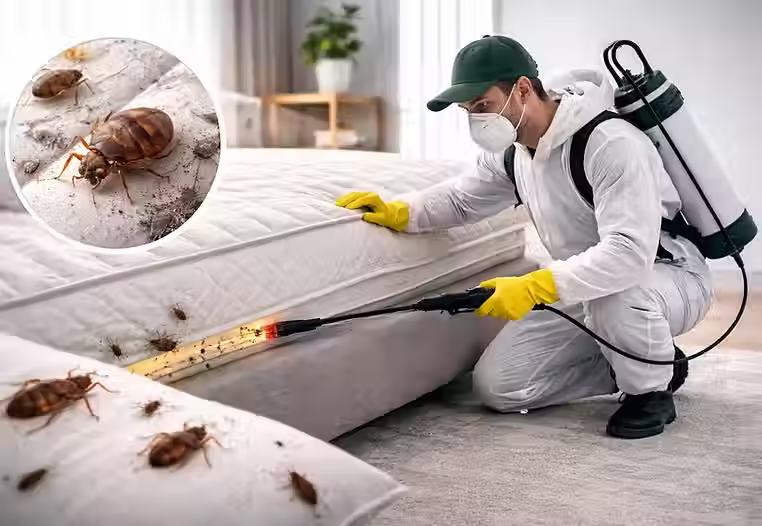
Bed bug treatment usually involves more than treating the bug you can see. A successful plan starts with confirming where the activity is, identifying how widespread it is, treating the right areas, and monitoring what happens afterward.
In an NYC apartment building, adjoining units and shared walls can sometimes affect how quickly the problem is fully brought under control.
The good news is that bed bugs can be eliminated. The important part is using the right approach and addressing the infestation thoroughly rather than simply treating the areas where you happen to see them.
If you think you may have bed bugs, here's what you should know about treatment, preparation, and preventing them from coming back.
First, Make Sure They’re Actually Bed Bugs
Before treating your home, make sure you're dealing with bed bugs.
Adult bed bugs are small, flat, oval-shaped insects that are usually reddish-brown.
They’re roughly the size of an apple seed when fully grown.
However, you may not always see the bugs themselves. Other signs can include:
Small dark spots on sheets, mattresses, or nearby surfaces
Tiny pale eggs or eggshells
Shed skins
Small blood stains on bedding
Live bugs around mattress seams or furniture
Bites that appear after sleeping
Bites alone aren't a reliable way to identify bed bugs because they can look similar to bites from other insects. If possible, finding the actual insect is much more useful.
Where Do Bed Bugs Hide?
Bed bugs don't necessarily stay on your mattress.
They usually hide in dark, protected cracks and crevices close to where people sleep or rest. Common hiding places include:
Mattress seams
Box springs
Bed frames
Headboards
Couches and chairs
Cracks in furniture
Baseboards
Behind loose wallpaper
Electrical outlets
Cracks around walls and flooring
As an infestation grows, bed bugs can spread farther away from the original hiding areas.
That's one reason simply spraying the mattress or changing your sheets usually isn't enough.
What Actually Works for Bed Bug Treatment?
The exact approach depends on the size of the infestation, the property, and where the bugs are hiding to get results with your bed bug treatment.
Heat Treatment
Heat can be an effective way to kill bed bugs because they cannot survive sustained temperatures above their tolerance range.
Professional heat treatments involve carefully raising temperatures throughout an affected area and monitoring them to ensure the necessary conditions are reached.
One advantage of heat is that it can reach areas that are difficult to treat with conventional sprays.
Chemical Treatment
Professional insecticide treatments can also be used to eliminate bed bugs.
The products and application methods matter. Bed bugs can develop resistance to certain insecticides, which is one reason simply buying a random spray and applying it around the bedroom doesn't always solve the problem.
Chemical treatments may also require follow-up applications because eggs can survive some initial treatments.
Integrated Treatment
In many situations, the best approach isn't relying on one method alone.
A combination of inspection, preparation, physical removal, heat or appropriately selected insecticides, monitoring, and follow-up can provide a more thorough approach.
The goal isn't just to kill the bugs you can see. It's to address the infestation wherever it may be hiding.
Why DIY Bed Bug Treatment Often Doesn't Work
Bed bugs are extremely good at hiding.
You might kill the bugs you can see while leaving others behind in cracks, furniture, walls, or other protected areas.
Some common DIY mistakes include:
Treating only the mattress
Moving infested furniture into another room
Using excessive amounts of insecticide
Relying on foggers or bug bombs
Ignoring nearby furniture
Failing to treat or inspect surrounding areas
Assuming bites have stopped before confirming the infestation is gone
Moving items between rooms can actually make the problem worse by giving bed bugs additional places to spread.
What Should You Do Before Treatment?
Preparation can make a major difference.
Follow the treatment provider's instructions, but preparation may include:
Wash and dry bedding and clothing. Use the hottest settings that are safe for the items. The dryer is particularly important because sufficient heat can kill bed bugs and their eggs.
Reduce clutter. Bed bugs have more places to hide when floors, closets, and furniture are packed with belongings.
Don't move items unnecessarily. Avoid taking potentially infested clothing, bedding, furniture, or other belongings into another room.
Vacuum carefully. Pay attention to mattress seams, bed frames, baseboards, and other areas where bed bugs may be hiding. Empty the vacuum according to the manufacturer's instructions afterward.
Follow the treatment instructions. Different treatments require different preparation, and doing something incorrectly can interfere with the process.
What Happens After Treatment?
Seeing a bed bug after treatment doesn't automatically mean the treatment failed.
Depending on the treatment method, some bugs may survive the initial application, or eggs may hatch afterward.
That's why monitoring and follow-up can be important.
Continue watching for signs of activity and follow any instructions you were given after treatment. Don't immediately start applying random pesticides on your own because you saw one insect.
If activity continues, it's better to have the situation reassessed.
How Can You Prevent Bed Bugs From Coming Back?
Bed bugs aren't necessarily a sign that a home is dirty. They are excellent hitchhikers and can be introduced through luggage, clothing, furniture, visitors, and other belongings.
When traveling, inspect hotel rooms before unpacking and keep luggage away from beds when possible.
After traveling, inspect luggage and wash or dry clothing rather than immediately putting everything back into your closet.
Be particularly careful with used mattresses, couches, bed frames, and other upholstered furniture.
If you live in an apartment building and bed bugs are discovered in your unit, communication with building management can also be important because infestations can sometimes involve nearby units.
How Long Does Bed Bug Treatment Take?
There's no single answer.
The timeline depends on the size of the infestation, how long it has been present, the treatment method, and how thoroughly the affected areas can be treated.
Some treatments can be completed in a single visit, while others may require follow-up treatments and monitoring.
The important thing is not to judge success simply by whether you stop seeing bugs immediately. A proper follow-up process is often necessary to make sure the infestation has actually been eliminated.
Need Help With Bed Bugs?
Bed bugs can be difficult to manage, especially in NYC apartments where activity can spread between rooms or neighboring units. Learn more about our Bed Bug Exterminator NYC service and how Full Scope approaches inspection, treatment, and property-specific recommendations.
Don't Wait for the Problem to Get Worse
Bed bugs are difficult, but they're not impossible to eliminate.
The biggest mistake is usually ignoring the problem or repeatedly trying random products without knowing where the infestation is located.
If you suspect bed bugs, start by confirming the signs, avoid spreading potentially infested belongings throughout your home, and focus on a treatment approach that addresses the entire infestation rather than just the bugs you can see.
If you need help identifying or treating a suspected bed bug infestation, Full Scope Pest Control can inspect the situation and recommend an appropriate treatment plan.


Comments